Musings from the conference
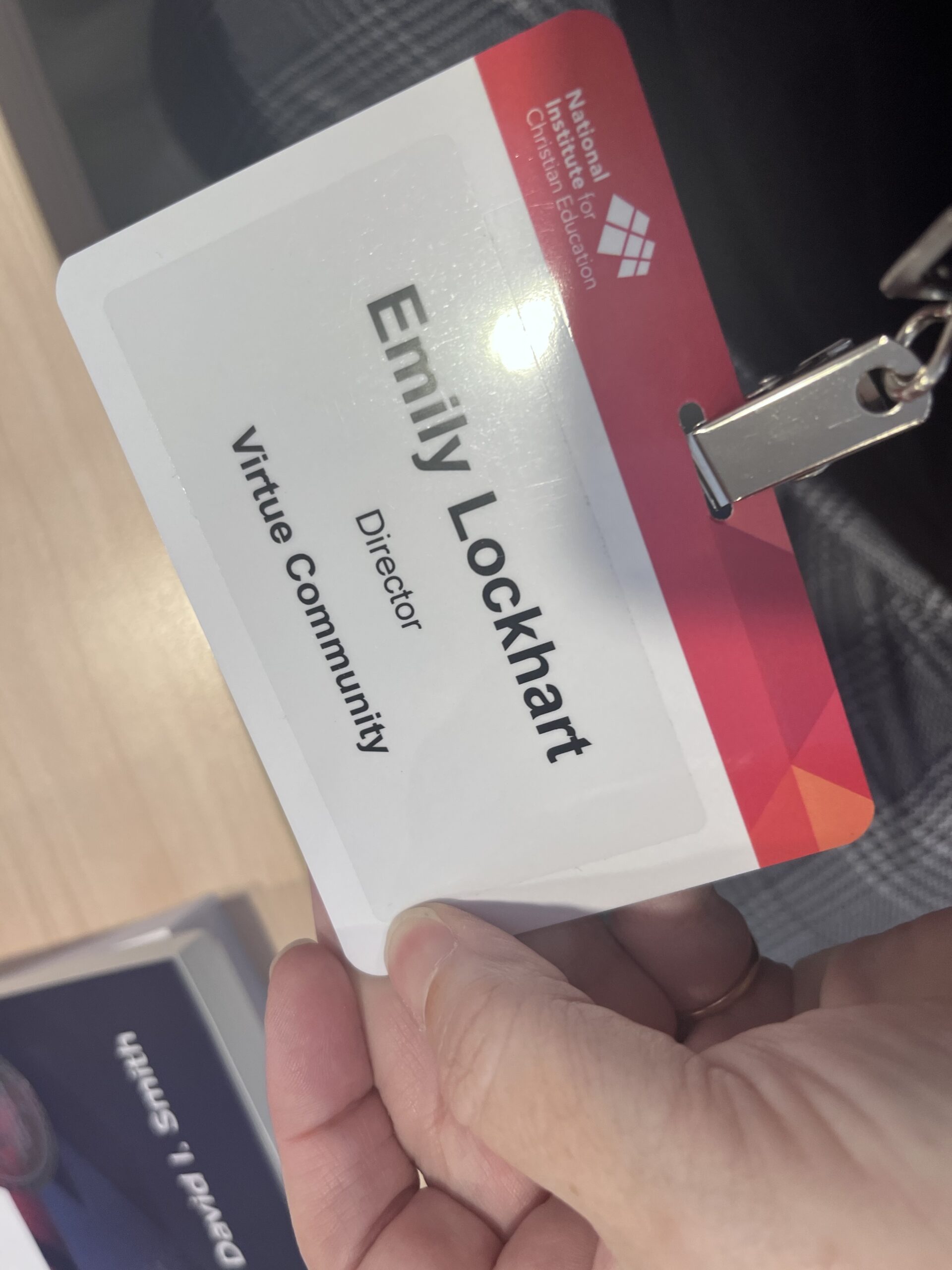
Our Director, Emily, attended the National Institute of Christian Education Educating for Hope Research Symposium recently. What a wonderful day of learning, networking and also presenting our research. Emily presented a pilot study that was undertaken in 2025 about our Year 6 Puberty Program. The presentation also included an overview of virtue-based pedagogy.
See below as Emily shares some of her musings from the symposium. The symposium this year was such a rich learning environment with so much shared about Christian teaching in Christian schools.
Musings from the conference in 2026
Are words always wisdom? by Miriam Jesse Fisher fromLaidlaw College,NZ.
Miriam kicked us off at the start of the day with the first keynote. She shared with us her passion for creativity, art and poetry. I learnt a new word! Theopoetics. This is an interdisciplinary field combining theology and poetic creativity. Miriam helped us to see that poetry can allow for uncertainty and makes space for wonder. We can sit with the knowledge and listen and really take it in.
A big focus of this session was listening. How often do we really listen? She belives poetry comes from listening and wisdom comes from listening. Miriam ended with the premiseListening and Silence as key or central to research. What we do when we research is we listen and look and long to know. Only form this is wisdom found.
This keynote has made we consider how fast paced our world is and our focus on productivity and outputs. We need to slow down, we need to stop and listen, we need to listen with wonder. We need to be hungry for wisdom, not just facts or knowledge. My prayer is that God will remind us to slow down, remind us to listen. Listen to our students, listen to our research participants, listen to Him.
Does not wisdom call? by Dr Rev Dan Anderson from the Lachlan Macquarie Institute.
Dan was the secind keynote speaker of the day and really gave us a great lesson on theology. As Ben Meyers commented later in the day in the panel discussion, we need this kind of teaching in our Christian schools!
Dan started by drawing links between Deuteronomy and Proverbs. He unpacked the Pedagogy of Wisdom, cetnering on Proverbs as wisdom training. This was very insightful and amkes we want to go back and read Deuteronomy and Proverbs together. The pedagogy of wisdom Dan talked about was based on the notion that wisdom is the capacity for judgement. When we become wise, we learn how to observe. We learn how to understand metaphor using description and comparison. Wise people are discerning, they make good decisions about their friendships. Dan even went so far as to say you cannot develop wisdom without friends. Who we choose as our friends will have a big imapct on our Pedagogy of Wisdom. Wise judgement includes choosing our actions, habits, choices, dispositions. Wisdom needs to be internalised so the ability to judge becomes part of us, part of how we think.
This is huge in the Health Education context. Decision-making is a central tenet of the Health Education curriculum and Health teachers often talk about helping students make ‘healthy choices’. There is little research into what those healthy choices are, especially in the Christian school space. What is a healthy choice? What is good decision-making? In my PhD study many participants expressed that they are unsure what the healthy chocie is in some situations and acknowledged that what migth be healthy for one person, might not be for another. Maybe Deuteronomy and Proverbs can help us?
When developing Health Ed resources, we need to be including this Pedagogy of Wisdom. I often use Proverbs in my work, it is one of my favourite books of the bible. I am motivated to back and have another look, dive into this deeper.
List of Books to Read
I always come away from symposiums and conferences like this one with a lsit of books to read and this was no different. I treated myself to two books on the day from the NICE bookshop – Educating for Hope (proceedings from the 2024 ITEC symposium) and Everyday Christian Teaching by David Smith. So those two are first up on my reading list.
Then, I always write down the books people refer to in their research presentations and have a list of new books to acquire:
- The Logic of Love: Christian Ethics and Moral Psychology by Andrew J. B. Cameron
- You Are Not Your Own: Belonging to God in an Inhuman World by Alan Noble
- Sexual Identity Questions in Christian Schools by Julie Smith
- Disruptive Witness by Alan Noble
- The Gospel in a Pluralist Society by Lesslie Newbigin
- The Ethics of Authenticity by Charles Taylor
- The Rise and Triumph of the Modern Self by Carl Trueman
These books will get us thinking and reading with a critical lens. This is important so our resources and PL address society as it is today and help us understand the contexts and worldviews present in our world. These worldviews bring with them their own assumptions that we must be aware of.